

Every couple is unique. Every embryo tells a story.
Every clinical decision should honour both. Precision is the science. Compassion is the art.
Excellence is achieved only when both become one.

Fertility Centre
Dr Ioannis Sklavounos
Consultant Obstetrician
Gynaecologist
Biography
Ioannis Sklavounos has extensive training and specialist expertise in Reproductive Medicine, Infertility and Maternal–Fetal Medicine, having completed ten years of training in the United Kingdom. He approaches every case with scientific rigour, experience and an individualised treatment plan tailored to the particular needs of each woman and couple.
His philosophy is founded on accurate diagnosis, thorough assessment and personal involvement at every stage of treatment. Particular attention is given to complex cases, where experience, attention to detail and collaboration with specialist teams help provide the best possible care.
Respecting the unique circumstances of every case, his aim is to provide high-quality medical care, clear and honest information, and the best possible conditions for achieving a successful pregnancy.

A Short but Important Story
Fertility is not determined simply by whether a woman has periods. Every woman is born with a valuable but finite number of eggs, and both their quantity and quality decline over time. Each month, nature offers only a small number of genuine opportunities for conception, and these opportunities become fewer with age. This is a simple but important account of how female fertility really works—and why having the right information can make all the difference.

Infertility
Female infertility is a common and complex issue that can have a profound effect on both the woman and the couple. It may result from many different factors, including hormonal disorders, ovulation problems, conditions affecting the fallopian tubes or uterus, endometriosis, as well as age, lifestyle and general health.
Assisted Reproduction – IVF
For many couples experiencing fertility problems, in vitro fertilisation (IVF) offers the best chance of achieving a pregnancy.
Our aim is to guide you through every step of the process, provide comprehensive information and help you feel safe and supported, so that together we can achieve the best possible outcome.
Fertility Preservation
Today, fertility preservation is an informed and proactive choice. Fertility preservation is available to both women and men, using different methods according to individual circumstances. Egg cryopreservation involves freezing and storing a woman’s eggs for future use. The eggs can later be used in a range of fertility treatments, kept in storage for future use, or used for egg donation.
Factors That Influence Success
Success in assisted reproduction is not a matter of luck or standardised protocols. It depends on accurate diagnosis, experience, an individualised strategy and attentive care. Ioannis Sklavounos approaches every woman and couple with responsibility, scientific rigour and personal commitment, creating a treatment plan tailored to their actual needs.
Specialist Expertise in Reproductive Medicine and Infertility
Individualised care for every case
Experience with complex cases and previous unsuccessful attempts
Clear, realistic information without false promises
Collaboration with specialist teams and advanced laboratories
High Success Rates
Ioannis Sklavounos’s high success rates are not based on a single technique or standardised treatments. They are the result of many years of specialist expertise in Reproductive Medicine.

An Individualised Approach
Every woman and every couple is unique. Each treatment is therefore designed individually, taking into account the medical history, test results, age and actual needs of the case—never as a one-size-fits-all solution.

Personal Care
Close monitoring, meaningful communication and attention at every stage of treatment play a decisive role in success. Withscientific rigour, honest information and an unwavering commitment to quality, we provide the best possible support throughout every attempt to have a child.
Advanced IVF Techniques
blog
Useful Articles, News and Advice

Πολλές εξετάσεις μετά από αποτυχημένη IVF: ποιες πραγματικά μπορούν να αλλάξουν τη θεραπεία;
Πολλές εξετάσεις μετά από αποτυχημένη IVF: ποιες πραγματικά μπορούν να αλλάξουν τη θεραπεία;
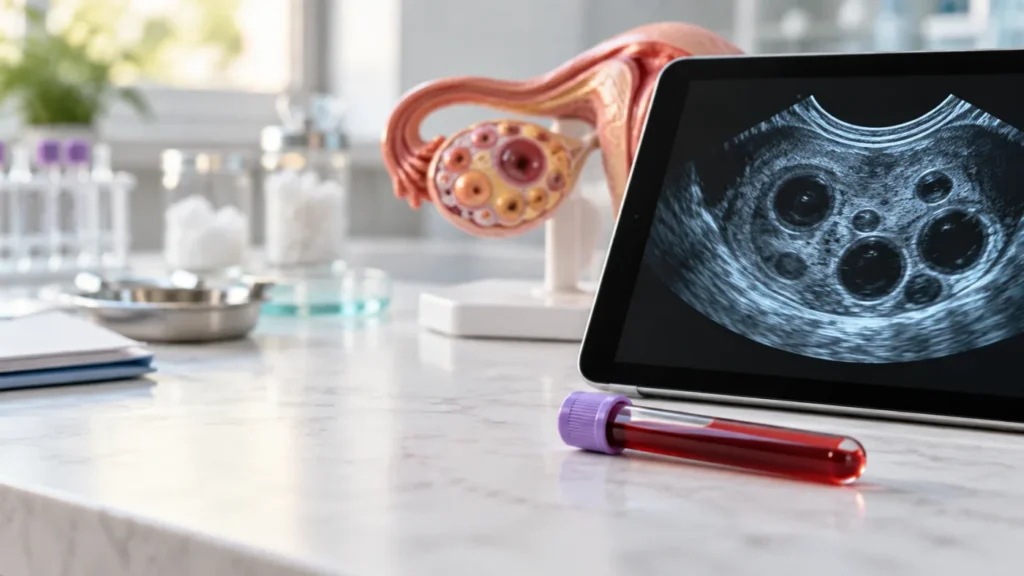
AMH: τι μας λέει και —κυρίως— τι δεν μπορεί να μας πει
AMH: τι μας λέει και —κυρίως— τι δεν μπορεί να μας πει
Έλεγχος γονιμότητας πριν αρχίσω να προσπαθώ: τι μπορούμε πραγματικά να μάθουμε;
Έλεγχος γονιμότητας πριν αρχίσω να προσπαθώ: τι μπορούμε πραγματικά να μάθουμε;

Έκανα εξωσωματική και δεν πέτυχε: τι αξίζει πραγματικά να ελέγξουμε πριν την επόμενη;
Έκανα εξωσωματική και δεν πέτυχε: τι αξίζει πραγματικά να ελέγξουμε πριν την επόμενη;

Έχω χαμηλή AMH. Σημαίνει ότι δεν μπορώ να μείνω έγκυος;
Έχω χαμηλή AMH. Σημαίνει ότι δεν μπορώ να μείνω έγκυος;

Έχω καλά έμβρυα αλλά δεν μένω έγκυος — γιατί μπορεί να μην εμφυτεύονται;
Έχω καλά έμβρυα αλλά δεν μένω έγκυος — γιατί μπορεί να μην εμφυτεύονται;
Αποτυχημένη εξωσωματική: τι πρέπει να επανεκτιμήσουμε πριν από την επόμενη προσπάθεια;
Αποτυχημένη εξωσωματική: τι πρέπει να επανεκτιμήσουμε πριν από την επόμενη προσπάθεια;

Είμαι 35+ και δεν θέλω ακόμη παιδί: πότε έχει νόημα η κατάψυξη ωαρίων;
Είμαι 35+ και δεν θέλω ακόμη παιδί: πότε έχει νόημα η κατάψυξη ωαρίων;
Frequently Asked Questions
Is infertility an insurmountable obstacle for couples trying to have a child?
Not at all. Infertility is no longer considered a dead end for couples who wish to become parents. In 1978, with the birth of the first baby conceived through in vitro fertilisation, a global field emerged that brought hope to thousands of couples and demonstrated what science could achieve. Although IVF was initially developed to treat infertility caused by fallopian-tube problems, its use later expanded to address both genetic and reproductive disorders, while also raising ethical, religious, social and legal questions. Much has changed over the intervening years: embryology has advanced, assisted reproductive technologies (ART) have progressed, clinical experience has grown and techniques continue to be refined.
What is the age limit for IVF treatment?
For a period of two (2) years from the publication of this provision, the Minister of Health may, following a reasoned favourable opinion from the Greek National Authority of Medically Assisted Reproduction, extend the age limit set out in Article 4 of Law 3305/2005 (Government Gazette A 17) for access to medically assisted reproduction by two (2) years, up to and including the age of fifty-two (52).
The Greek National Authority of Medically Assisted Reproduction made this decision because the pandemic delayed treatment for thousands of couples. It enables many couples and women to complete treatments that had been interrupted or to begin new treatment cycles.
What are the benefits of using IVF to have a child?
Through the IVF We can help couples with fertility problems make their dream come true. Its great advantage is that we can check every stage of the reproduction process and with special tests to find where the problem is focused. By discovering the cause of the problem, we can propose solutions that will increase the chances of success.
Is the IVV method right for me?
Your doctor may recommend IVM: – if you are sensitive to the development of OHSS (ovarian hyperstimulation syndrome – a potentially dangerous reaction to the use of fertility drugs), such as if you have polycystic ovary syndrome (PCOS) – where the cause of The couple's infertility has been characterized as only a male factor.
Is there an egg donation program?
Our center takes over egg donation program Based on a bank of donors who anonymously wish to donate their eggs. All donors are scrutinized and are advised before treatment begins. A great effort is being made to match the physical characteristics of donor-recipient.


