
Διερεύνηση και διάγνωση
Αξιολογούνται η γυναίκα και ο άνδρας με βάση το ιστορικό, τον γυναικολογικό έλεγχο, ορμονικές και υπερηχογραφικές εξετάσεις, τον έλεγχο μήτρας και σαλπίγγων και το σπερμοδιάγραμμα.
Εξατομικευμένη προσέγγιση στην εξωσωματική γονιμοποίηση από τον Μαιευτήρα-Γυναικολόγο Ιωάννη Σκλαβούνο, με εξειδίκευση στην Αναπαραγωγική Ιατρική.
Ο ΙΑΤΡΟΣ
Ο Μαιευτήρας-Γυναικολόγος Ιωάννης Σκλαβούνος έχει εξειδίκευση στην Αναπαραγωγική Ιατρική και την Υπογονιμότητα. Ειδικεύθηκε και μετεκπαιδεύθηκε στη Μεγάλη Βρετανία, με εμπειρία στη διερεύνηση και στη διαχείριση σύνθετων περιστατικών.
Δείτε το βιογραφικό του ιατρού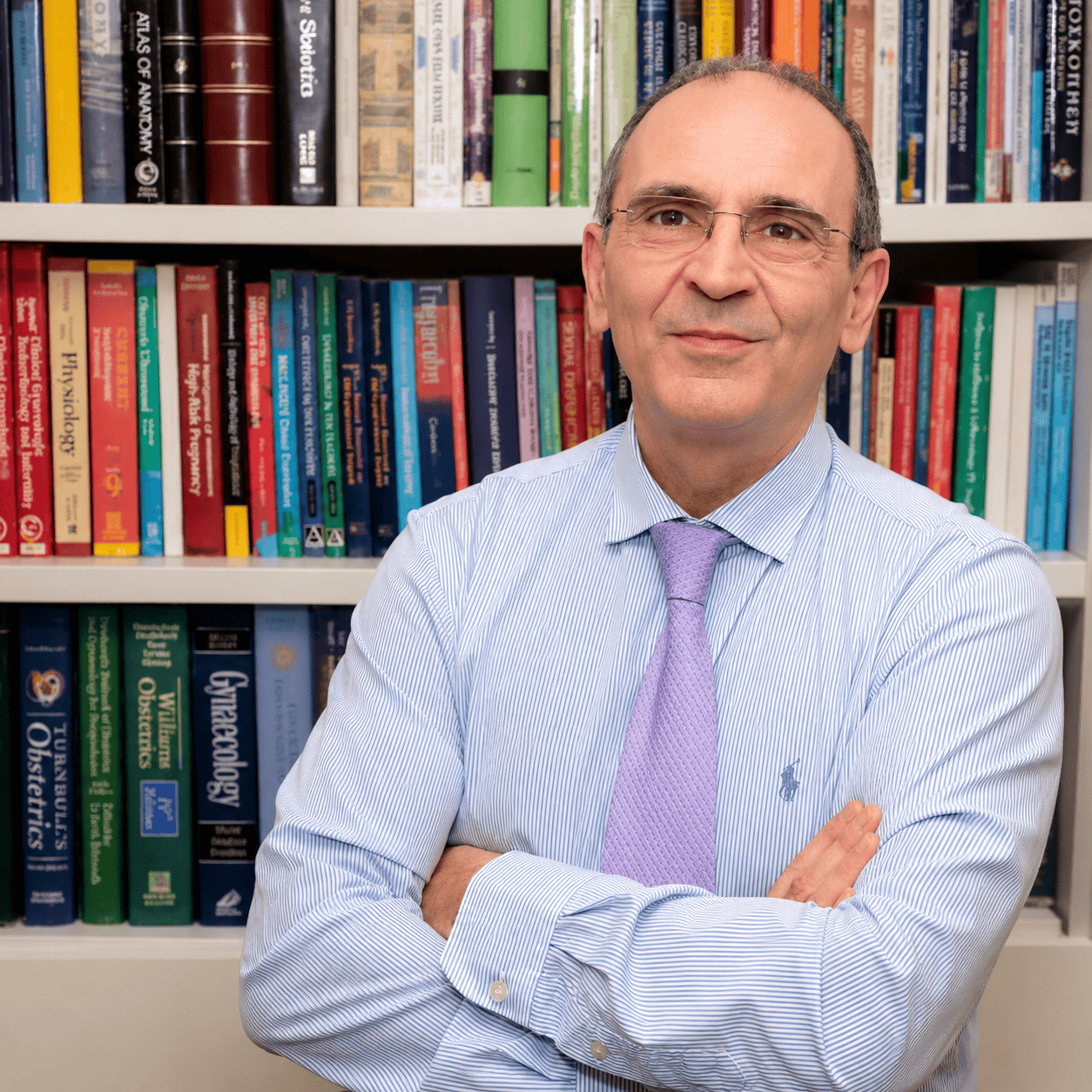
ΠΡΩΤΗ ΣΥΝΑΝΤΗΣΗ
Στην πρώτη συνάντηση ο γιατρός εξετάζει το ιστορικό του ζευγαριού, τις διαθέσιμες εξετάσεις και τις πιθανές επόμενες επιλογές, χωρίς να θεωρείται δεδομένο ότι θα χρειαστεί εξωσωματική.
ΠΡΙΝ ΑΠΟ ΟΠΟΙΑΔΗΠΟΤΕ ΘΕΡΑΠΕΙΑ
Η πρώτη επίσκεψη βοηθά να διαμορφωθεί μια σαφής εικόνα των δεδομένων και να συζητηθούν υπεύθυνα τα επόμενα βήματα.
ΙΑΤΡΙΚΗ ΕΝΗΜΕΡΩΣΗ
Η εξωσωματική γονιμοποίηση είναι μια διαδικασία κατά την οποία τα ωάρια συλλέγονται από τις ωοθήκες και γονιμοποιούνται στο εργαστήριο με σπέρμα του συντρόφου ή, όπου χρειάζεται, με σπέρμα δότη. Τα γονιμοποιημένα ωάρια παρακολουθούνται στο εμβρυολογικό εργαστήριο και εξελίσσονται σε έμβρυα.
Στη συνέχεια, ένα έμβρυο ή, όπου ενδείκνυται, περισσότερα έμβρυα μεταφέρονται στη μήτρα, με στόχο την εμφύτευση και την επίτευξη εγκυμοσύνης. Η μέθοδος προσαρμόζεται στις ανάγκες κάθε ζευγαριού. Σε ορισμένες περιπτώσεις εφαρμόζεται κλασική IVF, ενώ σε άλλες μικρογονιμοποίηση ICSI.
Η σωστή ενημέρωση βοηθά το ζευγάρι να γνωρίζει τι περιλαμβάνει η διαδικασία, ποιοι παράγοντες επηρεάζουν το αποτέλεσμα και ποια μπορεί να είναι τα επόμενα βήματα.

ΕΝΔΕΙΞΕΙΣ
Η IVF μπορεί να προταθεί όταν παράγοντες δυσκολεύουν ή καθιστούν αδύνατη τη φυσική σύλληψη, ή όταν προηγούμενες απλούστερες θεραπείες δεν οδήγησαν σε εγκυμοσύνη.
Η επιλογή της IVF γίνεται εξατομικευμένα. Ο σχεδιασμός βασίζεται στη διάγνωση, στην ηλικία, στο ιστορικό και στα αποτελέσματα των εξετάσεων.
ΚΑΛΕΣΤΕ ΜΑΣΗ ΔΙΑΔΙΚΑΣΙΑ ΒΗΜΑ ΠΡΟΣ ΒΗΜΑ
Κάθε στάδιο σχεδιάζεται και προσαρμόζεται ανάλογα με τις ανάγκες της γυναίκας και του ζευγαριού.
Αξιολογούνται η γυναίκα και ο άνδρας με βάση το ιστορικό, τον γυναικολογικό έλεγχο, ορμονικές και υπερηχογραφικές εξετάσεις, τον έλεγχο μήτρας και σαλπίγγων και το σπερμοδιάγραμμα.
Ο απαραίτητος έλεγχος βοηθά στην ασφαλή προετοιμασία και στην επιλογή του κατάλληλου πρωτοκόλλου. Πρόσθετες εξετάσεις ζητούνται μόνο όπου χρειάζεται.
Η φαρμακευτική αγωγή σχεδιάζεται σύμφωνα με την ηλικία, την ωοθηκική εφεδρεία και το ιστορικό. Η ανταπόκριση παρακολουθείται με υπερηχογραφήματα και, όπου απαιτείται, ορμονικό έλεγχο.
Η συλλογή των ωαρίων γίνεται με υπερηχογραφική καθοδήγηση και συνήθως με ελαφρά αναισθησία ή μέθη. Η γυναίκα παραμένει για σύντομη παρακολούθηση και συνήθως επιστρέφει στο σπίτι την ίδια ημέρα.
Το δείγμα σπέρματος λαμβάνεται συνήθως την ημέρα της ωοληψίας και επεξεργάζεται στο εργαστήριο. Σε ειδικές περιπτώσεις μπορεί να χρησιμοποιηθεί χειρουργικά ληφθέν, κατεψυγμένο ή δότη σπέρμα.
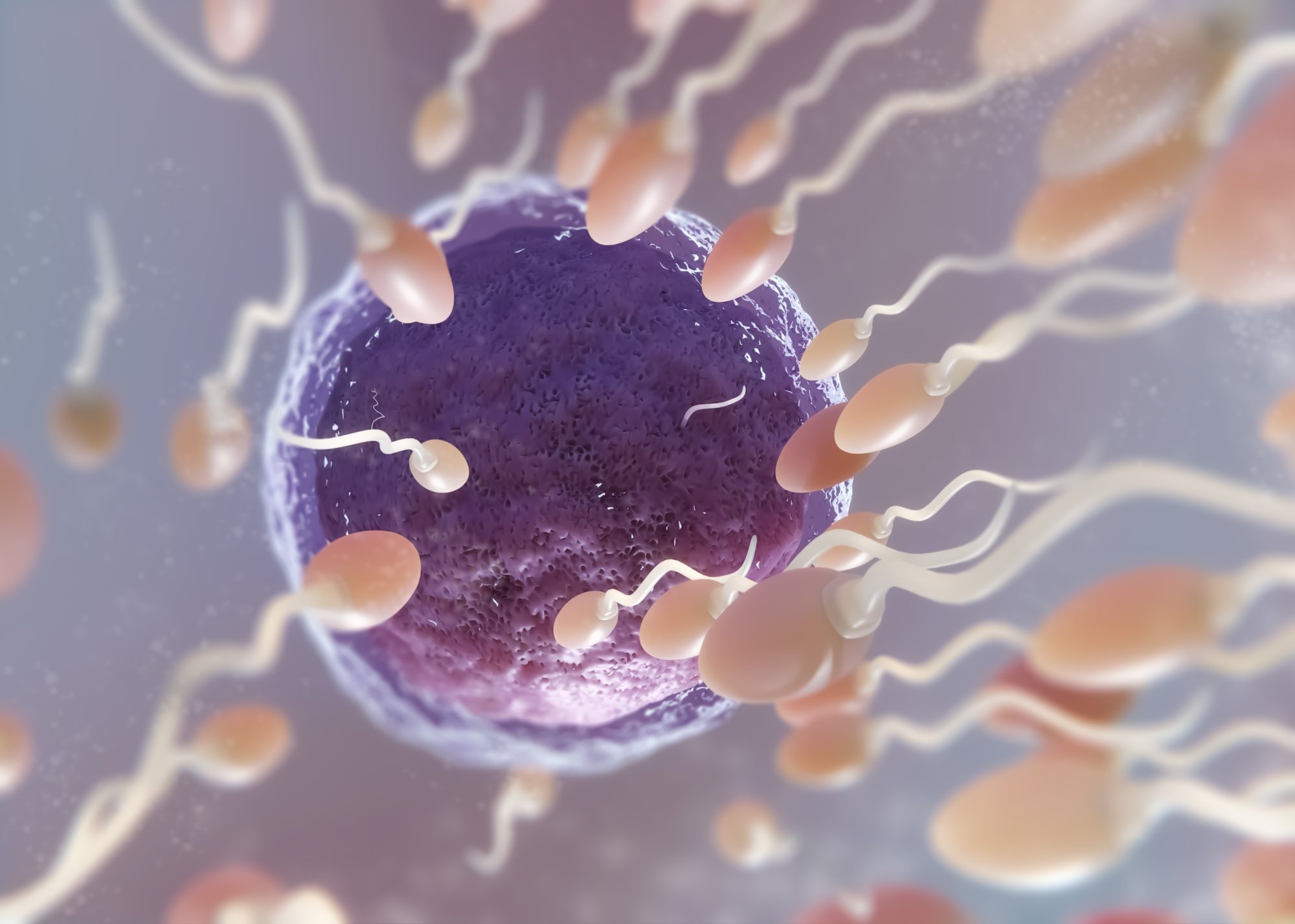
Η γονιμοποίηση γίνεται με κλασική IVF ή ICSI, ανάλογα με την ένδειξη. Τα γονιμοποιημένα ωάρια παρακολουθούνται έως την 3η ημέρα ή έως το στάδιο της βλαστοκύστης.
Το έμβρυο μεταφέρεται στη μήτρα με λεπτό καθετήρα. Η διαδικασία είναι σύντομη και συνήθως ανώδυνη. Ο αριθμός των εμβρύων αποφασίζεται εξατομικευμένα και σύμφωνα με τις ισχύουσες οδηγίες.
Το τεστ γίνεται με μέτρηση της β-χοριακής στον χρόνο που ορίζει ο γιατρός. Αν το αποτέλεσμα δεν είναι θετικό, αξιολογούνται τα ευρήματα του κύκλου και συζητούνται τα επόμενα βήματα.
ΕΠΙΛΟΓΗ ΜΕΘΟΔΟΥ
Η κατάλληλη μέθοδος επιλέγεται μετά από αξιολόγηση του σπέρματος, των ωαρίων, του ιστορικού και των προηγούμενων προσπαθειών.
Μπορεί να είναι κατάλληλη όταν το σπέρμα έχει ικανοποιητικά χαρακτηριστικά και δεν υπάρχει σοβαρός ανδρικός παράγοντας. Τα ωάρια τοποθετούνται μαζί με τα σπερματοζωάρια στο εργαστήριο.
Επιλέγεται κυρίως όταν υπάρχουν σημαντικά προβλήματα στον αριθμό, την κινητικότητα ή τη μορφολογία των σπερματοζωαρίων, προηγούμενη αποτυχία γονιμοποίησης ή χειρουργική λήψη σπέρματος.
Από την έναρξη της διέγερσης έως την ωοληψία συνήθως μεσολαβούν περίπου 10–12 ημέρες. Συνολικά, η διαδικασία διαρκεί μερικές εβδομάδες, με διαφορετικό χρονισμό όπου χρειάζεται.
Η IVF προσφέρει σημαντικές δυνατότητες, αλλά δεν αποτελεί εγγύηση επιτυχίας. Τα αποτελέσματα επηρεάζονται από την ηλικία, την ωοθηκική εφεδρεία, τα χαρακτηριστικά του σπέρματος, την ποιότητα των εμβρύων, το ενδομήτριο και το συνολικό ιατρικό ιστορικό.
ΣΥΧΝΕΣ ΕΡΩΤΗΣΕΙΣ
Η IVF μπορεί να προταθεί όταν συγκεκριμένοι παράγοντες δυσκολεύουν τη φυσική σύλληψη ή όταν προηγούμενες απλούστερες θεραπείες δεν είχαν αποτέλεσμα. Η απόφαση λαμβάνεται εξατομικευμένα μετά από αξιολόγηση του ζευγαριού.
Οι εξετάσεις καθορίζονται από το ιστορικό και μπορεί να περιλαμβάνουν ορμονικό έλεγχο, αξιολόγηση ωοθηκικής εφεδρείας, υπερηχογράφημα, αιματολογικό και μικροβιολογικό έλεγχο και σπερμοδιάγραμμα.
Η ωοληψία πραγματοποιείται συνήθως με ελαφρά αναισθησία ή μέθη, ώστε η γυναίκα να μην αισθάνεται πόνο κατά τη σύντομη διαδικασία.
Η εμβρυομεταφορά μπορεί να γίνει μετά από λίγες ημέρες καλλιέργειας ή σε επόμενο κύκλο μετά από κατάψυξη. Ο χρόνος αποφασίζεται σύμφωνα με την εξέλιξη των εμβρύων και το θεραπευτικό πλάνο.
Ο έλεγχος γίνεται με εξέταση αίματος για β-χοριακή γοναδοτροπίνη, στον χρόνο που θα υποδείξει ο γιατρός. Αν είναι θετικός, ακολουθεί επανέλεγχος και υπερηχογράφημα.
Ο αριθμός των επισκέψεων εξαρτάται από το πρωτόκολλο και την ανταπόκριση στη θεραπεία. Περιλαμβάνονται η αρχική αξιολόγηση, η παρακολούθηση της διέγερσης και οι επισκέψεις που απαιτούνται για τα επόμενα στάδια.
Επηρεάζονται από παράγοντες όπως η ηλικία, η ωοθηκική εφεδρεία, τα χαρακτηριστικά του σπέρματος, η ποιότητα των εμβρύων, το ενδομήτριο και το συνολικό ιστορικό. Δεν υπάρχει εγγύηση επιτυχίας.
Το κόστος εξαρτάται από το εξατομικευμένο θεραπευτικό πλάνο, τις εξετάσεις και τις τεχνικές που μπορεί να χρειαστούν. Επικοινωνήστε με το ιατρείο για ενημέρωση σχετικά με τη δική σας περίπτωση.
Συζητήστε με τον γιατρό αν η IVF είναι κατάλληλη για τη δική σας περίπτωση.

ΕΞΕΙΔΙΚΕΥΜΕΝΗ ΦΡΟΝΤΙΔΑ
Η εξωσωματική γονιμοποίηση απαιτεί εμπειρία, ακρίβεια και εξατομικευμένο σχεδιασμό. Ο Ιωάννης Σκλαβούνος έχει 10 έτη δομημένης εκπαίδευσης στην Αγγλία και εξειδίκευση στην Αναπαραγωγική Ιατρική, την Υπογονιμότητα και την Εμβρυομητρική Ιατρική.
Η εμπειρία του περιλαμβάνει τη διαχείριση σύνθετων περιστατικών υπογονιμότητας και περιπτώσεων με προηγούμενες αποτυχίες. Σε κάθε ζευγάρι ασχολείται προσωπικά με τη διερεύνηση, την αξιολόγηση και τον σχεδιασμό της θεραπείας.
Η προσέγγιση βασίζεται στην ειλικρίνεια και στον ρεαλισμό. Κάθε ζευγάρι ενημερώνεται υπεύθυνα για τις πραγματικές του πιθανότητες, τους περιορισμούς και τις διαθέσιμες επιλογές, χωρίς υπερβολικές ή μη τεκμηριωμένες υποσχέσεις.
ΙΑΤΡΙΚΕΣ ΠΗΓΕΣ
ΚΕΝΤΡΟ ΓΟΝΙΜΟΤΗΤΑΣ & IVF ΣΤΟ ΜΑΡΟΥΣΙ
Μιλήστε με τον Ιωάννη Σκλαβούνο για μια εξατομικευμένη αξιολόγηση των δεδομένων και των διαθέσιμων επιλογών.

 Book an Appointment